
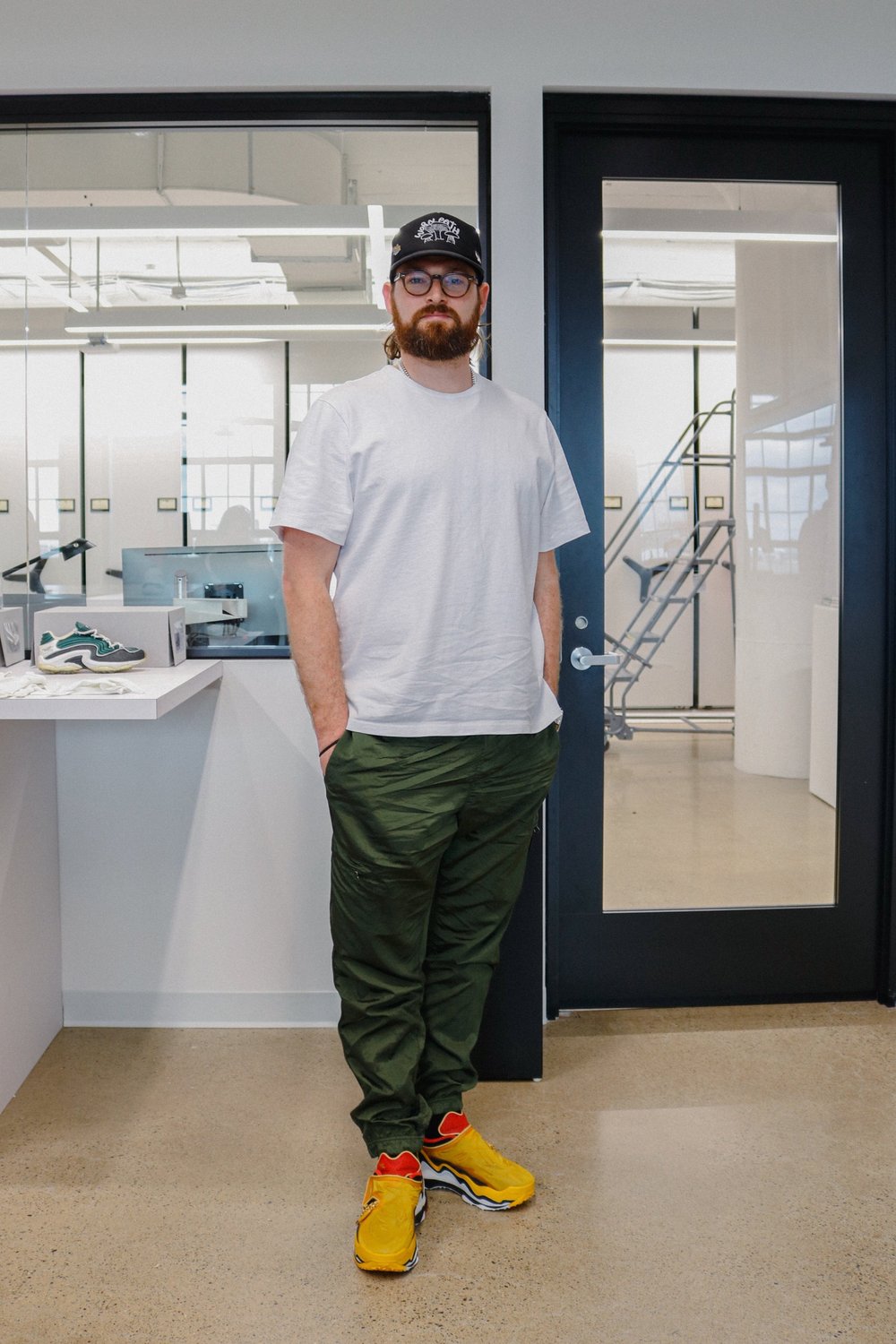
The second iteration of Form & Function, an interview series by Sneaker Speculation, dives into the design and creative process of the Engine A with Reebok Basketball’s Design Director, Michael Hesterberg. The Engine A being the first performance basketball shoe the brand has made in over a decade, Hesterberg goes into detail about the early decisions which sparked the revival and breaks down the calculated decisions which were made throughout the journey of creating the Engine A.
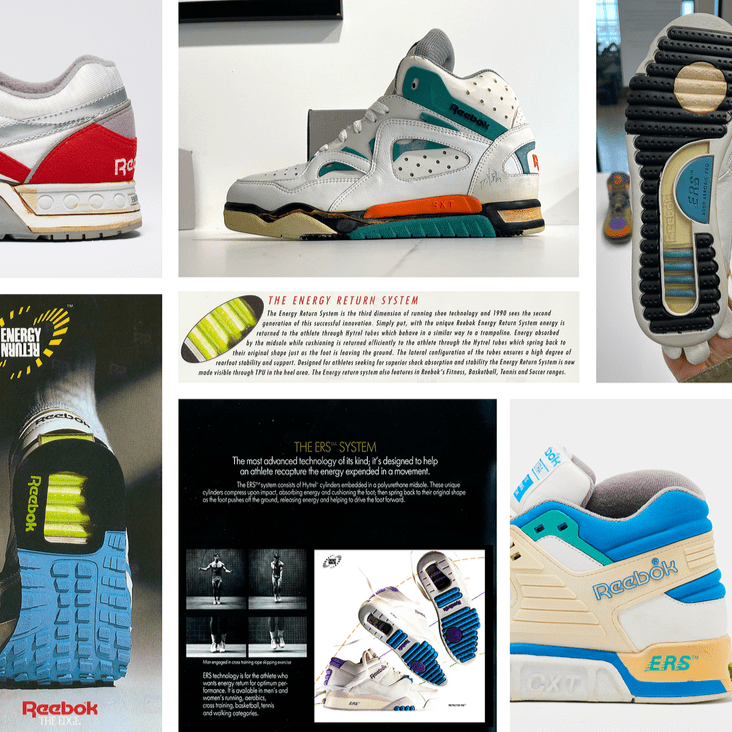
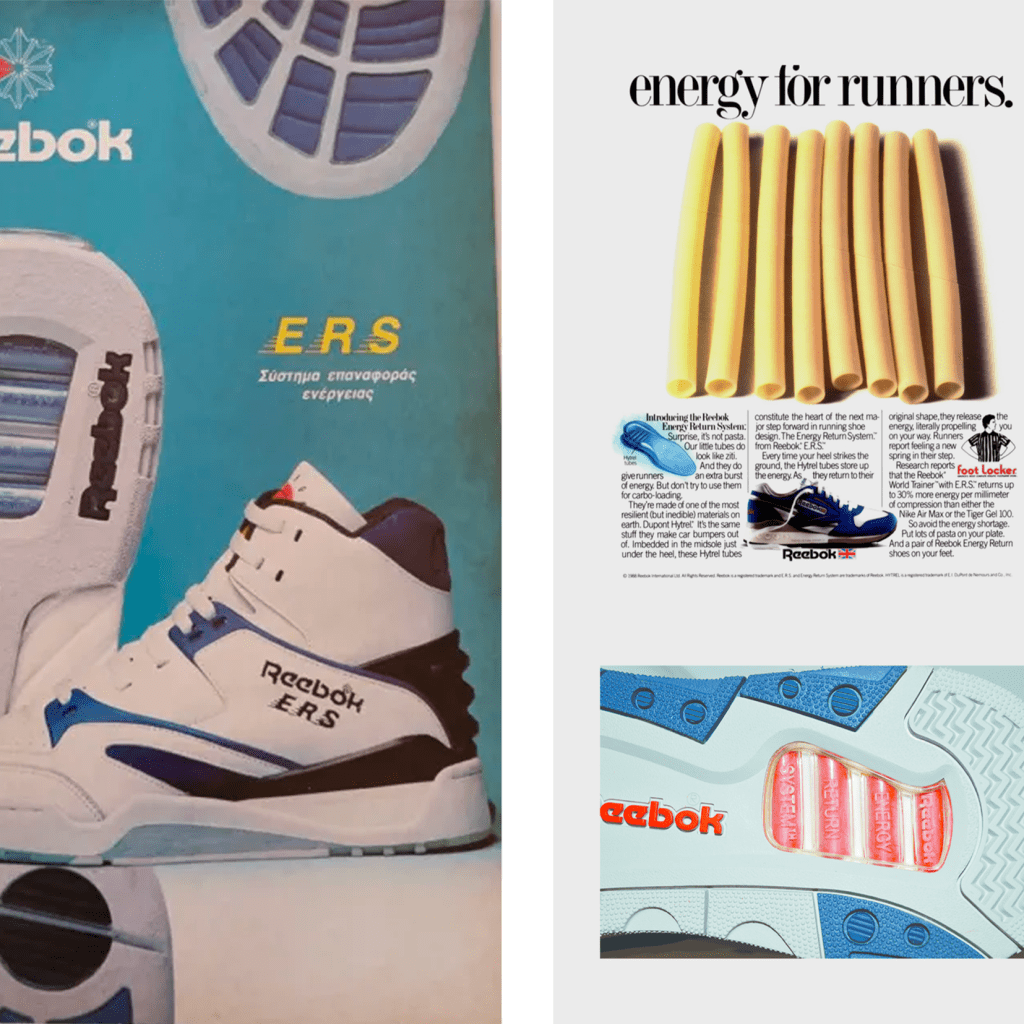
The initial idea of the Engine A was born from reimagining ERS (Energy Return System), one of Reebok’s first cushioning technologies which featured plastic tubes in the heel to provide more energy return and durability than the standard foams used at the time. “I was working on the leading design for the innovation team at Reebok, and we were looking at new tech across the brand”, Hesterberg explains. “That happened to be ERS, and we were thinking about how do we preserve the knowledge of making what we used to make and how do we improve it.” With ERS being the first technology Reebok created, he used it as a starting point to answer the question, ‘What would ERS look like if it never left?’ “ERS was unique because it was across running, training and basketball”, Hesterberg explains. “And so we had concepted a bunch of stuff across the brand to show what that could look like, and our CEO, Todd, saw it.” And with Todd Krinsky, who already had his mind on Reebok returning to basketball, the conceptual sketches Hesterberg and his team created around ERS became the cornerstone of the development of the Engine A.
Hesterberg would then transfer to the newly found basketball division, continuing to develop the ERS system, bringing its story and technology to the modern age. “From the innovation side, we were looking at all of the past history of ERS; this was one of the first innovations which made shoes more comfortable to run longer”, Hesterberg explains. “So we were thinking about how to retell the story and rebuild something like this?” While technology had developed since the time Reebok used the plastic pipes to provide energy return, Hesterberg took the original essence of the ERS system and looked to develop for the modern age. “So we were thinking about how we re-envision tech for the new age, and the idea was like, if ERS was the most energy return material in the world, which that’s how it was built in 1989, what’s 2025’s version of that same way of thinking?” Hesterberg explains. And with research from the innovation side, Reebok was able to develop a nitrogen-infused supercritical foam to provide the ideal energy return, lightness and durability. Then Hesterberg “used the aesthetic to harken back to the thinking of the birth of Reebok performance” with the Supercritical foam being moulded to look like the tubes of the original ERS system.
“so we were thinking about how to retell the story and rebuild something like this?”
Simultaneously with the development of the new ERS system, Hesterberg was looking into the visuals of dressing the new technology. He initially looked back to nostalgia, creating a classic leather silhouette which the Reebok brand had become known for. “The first concepts were, should it be a white leather shoe? And we did all this research, and nobody was into that”, Hesterberg explains. He would then seek advice from E. Scott Morris, the designer of the Shaqnosis and the driver behind Reebok’s Mobius design language of 90s basketball shoes. “I talked to E. Scott Morris, and it was like, ‘Don’t remake what I’ve done; do your own thing’”, Hesterberg explains. “The challenge from him was, ‘Don’t just reinterpret his designs.’” From then on, Hesterberg would continue to explore ideas of creating something new for Reebok while its essence remained in the brand.
Exploring the initial conceptual stage of Engine A was when Hesterberg’s philosophy in design became especially prominent. “As a designer, I feel like if you use the same tools, you get the same results”, Hesterberg explains. “When available to me, I’m always looking throughout my work for new tools or at least new to me.” This has allowed him to approach design and problems in new ways and ultimately allowed him to develop new aesthetics. And for the Engine A, it was the use of AI. “Me and one of my designers, he was really early on the AI wave, and we fed it a bunch of archive stuff and we just looked for something that grabbed our eye”, Hesterberg explains. “We were able to find stuff that was provocative and then take it to the concept stage and test it out. And I think that was the new thing for me that sparked the language that we ended up developing.”
“we were able to find stuff that was provocative and then take it to the concept stage”

Building off of the visuals created by the AI engine, Hesterberg started designing the visuals of the exoskeleton. Prominent on the Engine A, its goal was to give the shoe a “vintage feel while feeling contemporary”. The visuals of the exoskeleton would continue to develop over the stages, with Hesterberg taking inspiration from sculptures, restomods and the Reebok archives. The structure would organically develop, achieving the idea of the Mobius 2.0, a design language connecting the past and the present. “The Mobius had visual movement in it. It was dynamic and expressive”, Hesterberg explains. “So we took that idea and tried to find a new way to create function.” While the structure itself looked back at the design language of the old Reebok performance models, instead of the layers of heavy leather, it was brought to the present with new materials with the breathability and support.
“vintage feel while feeling contemporary”
Although the story behind the ERS system and exoskeleton was the main focus of the Engine A, Hesterberg’s goal was ultimately putting all the elements together to create a performance shoe. “We’re building this from the ground up, and we haven’t made a performance shoe for basketball for 12 years”, Hesterberg explains. Although this was the first basketball shoe that he worked on, it was his previous experience of working on golf shoes for 10 years which allowed him to have the necessary tools to build a performance shoe from the ground up. “Golf is a deceptively technical sport”, Hesterberg explains. “The outsoles of golf shoes have injections and spikes, and building those things takes a technical hand.” Hesterberg would use that experience to build a tooling fit for the performance requirements of the Engine A. As for the last, he had to design it for the modern game of basketball, which had evolved to become positionless since Reebok left. “I actually started with the Iverson last, because we know that works for basketball or at least worked”, Hesterberg explains. With the Iverson last being the starting point, Hesterberg would analyse and learn from other basketball shoes’ silhouettes, adjusting and perfecting the last to build a shoe “that works for a positionless game that any player could wear”.
“we’re building this from the ground up, and we haven’t made a performance shoe for basketball for 12 years”
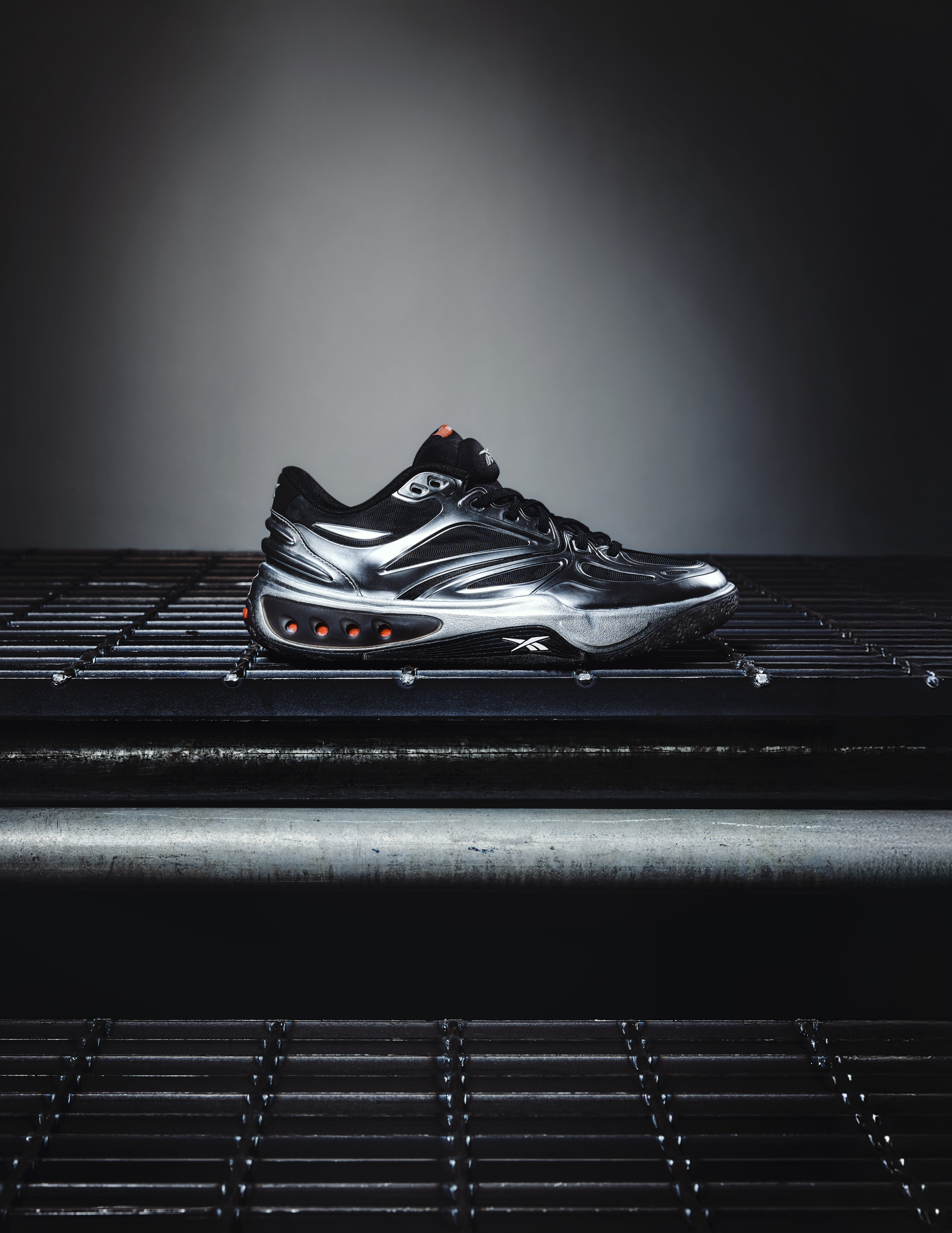

With Reebok releasing the Engine A, a legacy brand rooted in performance and with a rich history of athletes such as Allen Iverson, Shaquille O’Neal and Shawn Kemp, has returned to take its respective spot in the basketball landscape. And the Engine A is the perfect return, balancing the 90s nostalgia while bringing a fresh design language to signify the brand’s next chapter. Paired with a talented roster featuring Angel Reese, Lexie Brown, Matas Buzelis, Nate Ament and Dink Pate, there is no doubt that the brand will continue to grow. As for Michael Hesterberg, the Charlotte-born who grew up around and loving basketball shoes, the Engine A is a dream come true.
“This is the first time I’ve made a basketball shoe. It’s a dream come true, and now I’m getting to work on more. Angel Reese is getting a signature shoe, and I think one of the cool things is meeting with her and meeting with Matas, Dink, and Nate and getting to know them and letting the shoes take their personalities. I think it’s just continuing to build these moments, and that’s really fun.”
Image source via Michael Hesterberg & Reebok
 SNEAKER SPECULATION